أحمر فيلم — The Donkeymentary

Donkeys of Lebanonحمير لبنان

The Almanacدفتر الحمير

Six thousand years, one animal, and every story the insult forgot. Scroll slowly: fun facts, short stories, proverbs, drawings, an archive, and a quiz at the end.ستّة آلاف سنة، وحيوان واحد، وكلّ الحكايات التي نسيتها الشتيمة. مرّروا ببطء: معلومات طريفة وقصص قصيرة وأمثال ورسوم وأرشيف، وفي الآخر اختبار.

01

Chapter 01الفصل ٠١

The animalالحيوان

Ears that cool him, lips that open gates, eyes that see almost the whole circle. The body is the argument.أذنان تبرّدانه، وشفة تفتح البوابات، وعينان تريان الدائرة كلّها تقريباً. الجسد هو الحجّة.

Flip the cardsاقلبوا البطاقات

Eight questions everyone asksثمانية أسئلة يسألها الجميع

Tap a card to turn it.اضغطوا على البطاقة لقلبها.

The numbersبالأرقام

A donkey, measuredالحمار بالأرقام

≈330°

His field of vision. Two blind spots: nose and tail.مجال رؤيته. بقعتان عمياوان: أمام الأنف وخلف الذيل.

~3 km

How far a bray can carry in open country.المسافة التي قد يبلغها النهيق في الأرض المفتوحة.

14–16 h

Hours a day a donkey spends slowly eating.ساعات يمضيها الحمار يومياً في الأكل ببطء.

40+

Years some donkeys live with good care.سنة يعيشها بعض الحمير برعاية جيّدة.

12 mo

An average pregnancy, among the longest on the farm.متوسّط الحمل، من الأطول في المزرعة.

20%

Of his weight a fit adult carries comfortably.من وزنه يحمله البالغ المعافى براحة.

Storyحكاية

Not a small horseليس حصاناً صغيراً

The donkey is not a pony with long ears. He is a different, older answer to a harder world: the African wild ass, domesticated in northeast Africa some five to seven thousand years ago, and built for dry rock and thin food.

Everything about him follows from that. Narrow, hard hooves made for stone. A gut that gets more from dry straw than a horse gets from grass. Ears that dump heat. And a mind that, faced with danger, freezes and assesses instead of bolting.

That pause is the whole misunderstanding. What we called stubbornness is self-preservation, and it is exactly why mountain people trusted him on paths where a horse would panic.

الحمار ليس مُهراً بأذنين طويلتين. إنه جوابٌ مختلف وأقدم على عالمٍ أقسى: الحمار البرّي الأفريقي، استُؤنس في شمال شرق أفريقيا قبل خمسة إلى سبعة آلاف سنة، وجسمه مصنوع للصخر اليابس والطعام الشحيح.

كلّ ما فيه ينبع من هنا. حوافر ضيّقة صلبة للحجر. أمعاء تستخرج من القشّ أكثر ممّا يستخرج الحصان من العشب. أذنان تطردان الحرّ. وعقلٌ يتجمّد أمام الخطر ليتفحّصه بدل أن يهرب.

هذه الوقفة هي أصل سوء الفهم كلّه. ما سمّيناه عناداً هو حفظٌ للذات، ولهذا بالذات ائتمنه أهل الجبل على دروب كان الحصان سيذعر فيها.
01
Myth · “Stubborn as a donkey”الأسطورة · «عنيد كالحمار»

It's risk assessment.إنه تقدير للخطر.

02
Myth · “Dumb beast”الأسطورة · «بهيمة غبية»

He remembers routes, faces and friends for years.يتذكّر الدروب والوجوه والأصدقاء لسنوات.

03
Myth · “Fine on his own”الأسطورة · «بيعيش لحالو»

He should never live alone.لا يجوز أن يعيش وحيداً.

04
Myth · “A small horse”الأسطورة · «حصان صغير»

A different animal with different needs.حيوان مختلف بحاجات مختلفة.

02

Chapter 02الفصل ٠٢

Deep timeالزمن البعيد

Kings rode him, scribes counted him, and a wild cousin ran across these deserts until 1927.ركبه الملوك وأحصاه الكتبة، وركض ابن عمّه البرّي في هذه البوادي حتى ١٩٢٧.

Timelineخطّ الزمن

Six thousand years in one scrollستّة آلاف سنة بتمريرة واحدة

  1. c. 5000 BCEنحو ٥٠٠٠ ق.م.
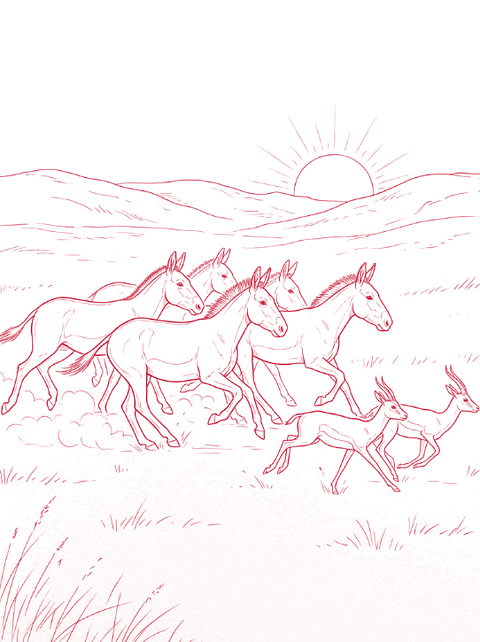
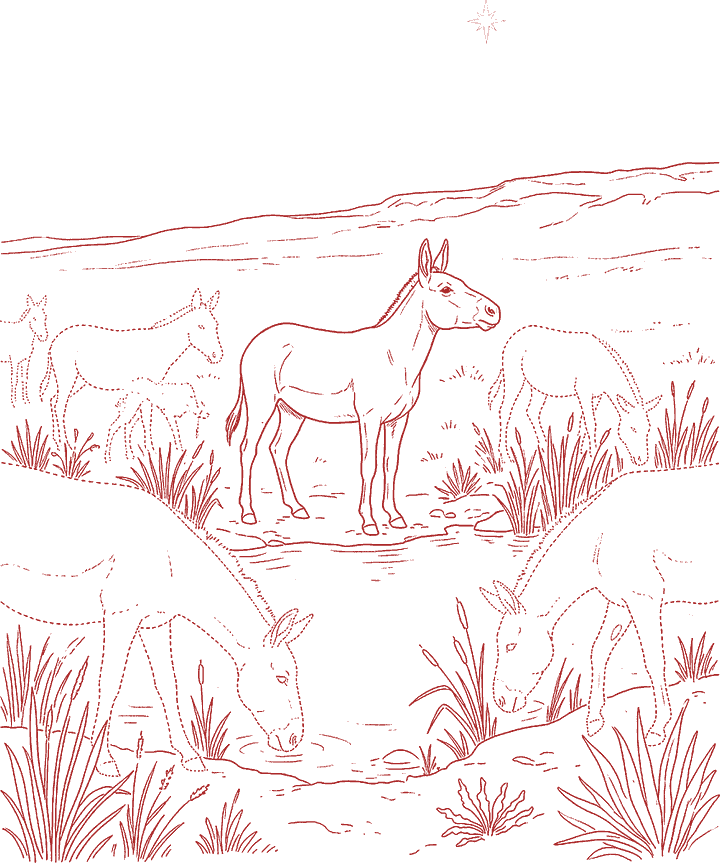
    Red line drawing: wild asses grazing in an open plain

    Domesticationالاستئناس

    The African wild ass becomes the donkey, in northeast Africa. The oldest working partnership of the ancient world begins.يصير الحمار البرّي الأفريقي حماراً أليفاً في شمال شرق أفريقيا. تبدأ أقدم شراكة عمل في العالم القديم.

  2. c. 2500 BCEنحو ٢٥٠٠ ق.م.
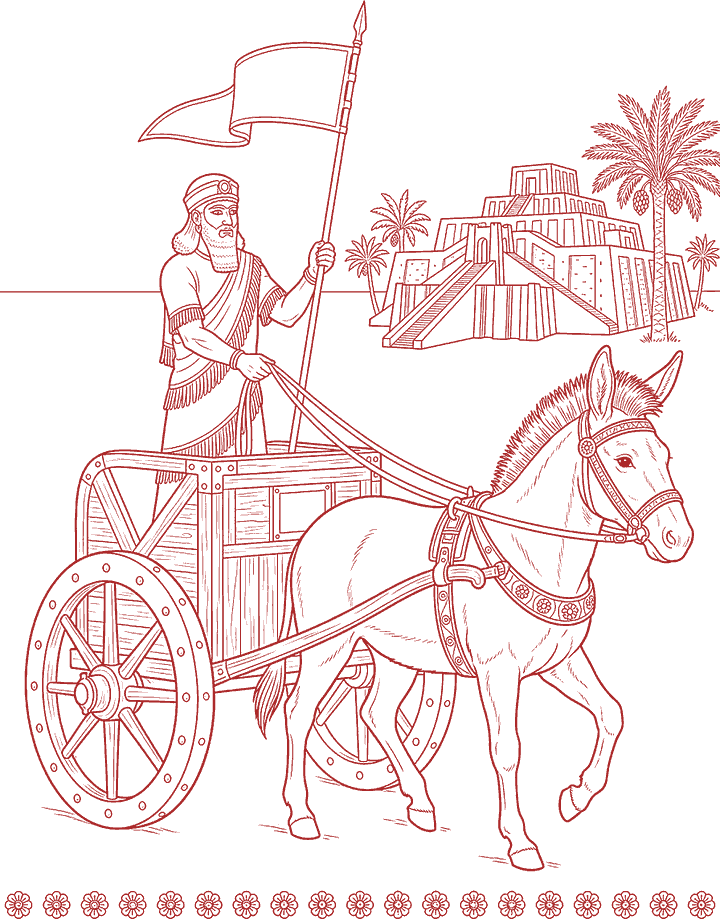
    Red line drawing: a king's chariot pulled by a kunga

    The kungaالكونغا

    In Syria and Mesopotamia, donkeys are crossed with the Syrian wild ass. The hybrid pulls royal chariots.في سوريا وبلاد الرافدين يُهجَّن الحمار مع الحمار البرّي السوري، ويجرّ الهجين عربات الملوك.

  3. c. 2000 BCEنحو ٢٠٠٠ ق.م.
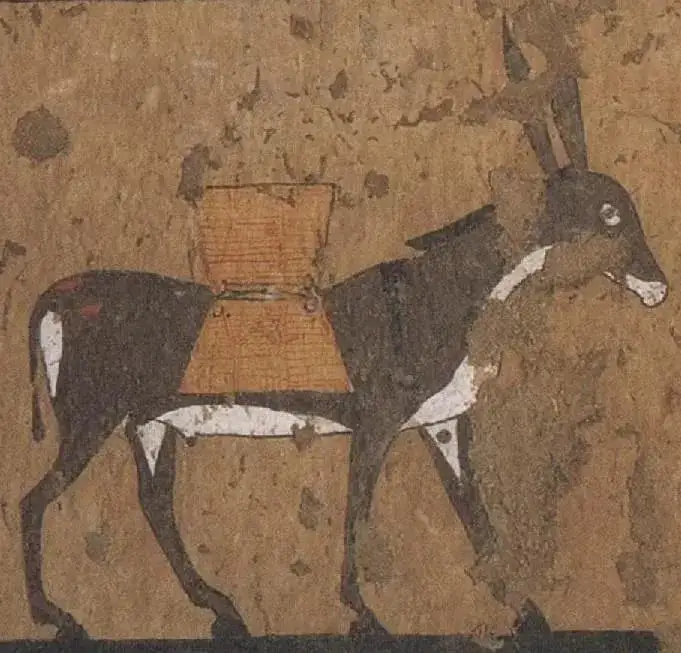
    Egyptian tomb painting: a donkey with its load

    Tomb wallsجدران المقابر

    Egyptian painters show donkeys at the harvest, treading grain and carrying sheaves.يرسم المصريون الحمير في الحصاد تدوس القمح وتحمل الحِزم.

  4. 7th c. BCEالقرن ٧ ق.م.
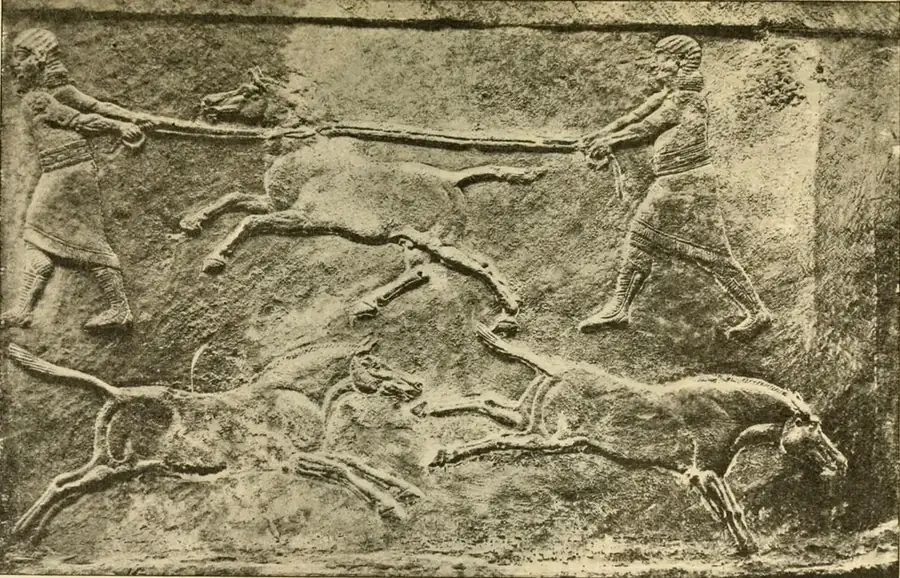
    Assyrian palace relief: wild asses hunted with dogs

    The royal huntالصيد الملكي

    Assyrian palace reliefs at Nineveh show kings hunting wild asses with dogs.نقوش قصور آشور في نينوى تُظهر الملوك يصطادون الحمير البرّية بالكلاب.

  5. 1st mill. BCEالألف الأول ق.م.
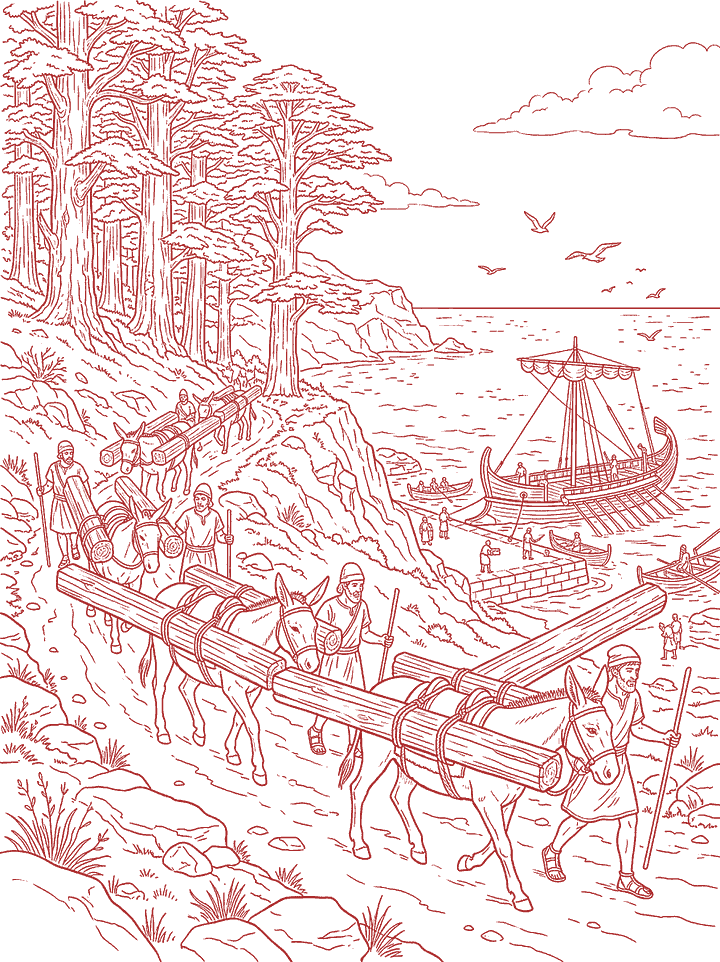
    Red line drawing: cedar logs carried down to the sea

    Caravansالقوافل

    The Phoenician cities trade by sea; on land, loads move by donkey caravan.المدن الفينيقية تتاجر بحراً، وعلى البرّ تنتقل الأحمال بقوافل الحمير.

  6. c. 200 CEنحو ٢٠٠ م.
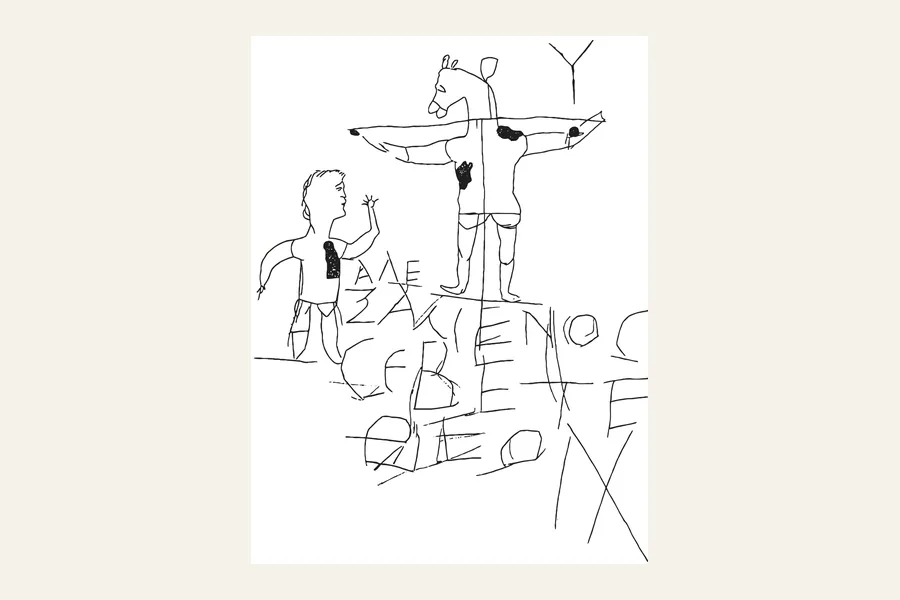
    The Alexamenos graffito: a crucified figure with a donkey's head, and a man raising his hand

    The first insultأوّل شتيمة

    On a wall in Rome, someone mocks a Christian by scratching his god with a donkey's head. Probably the oldest surviving picture of the crucifixion, and it is a joke about a donkey.على جدار في روما، يسخر أحدهم من مسيحيّ فيخربش إلهه برأس حمار. لعلّها أقدم صورة باقية للصلب، وهي نكتة عن حمار.

  7. 1855١٨٥٥
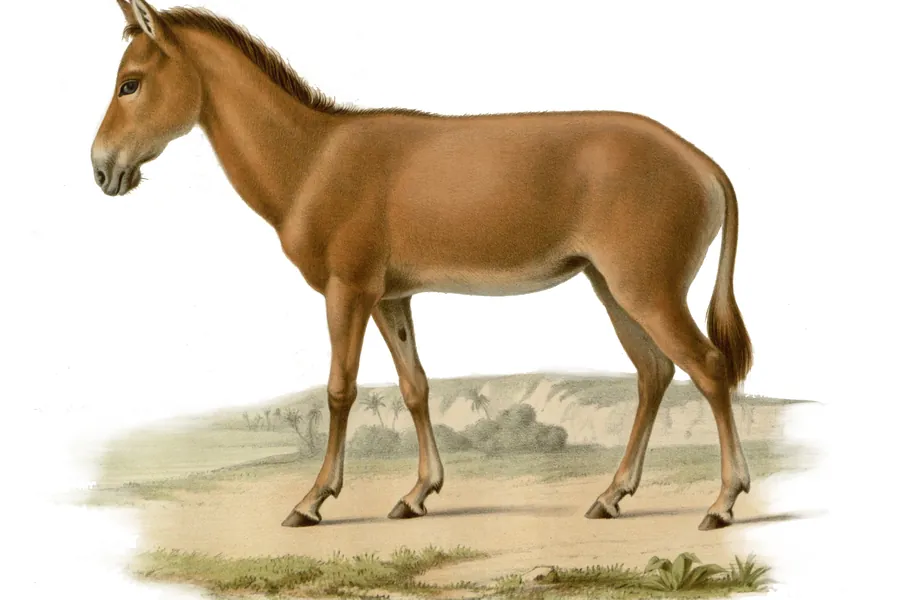
    Hand-coloured natural-history plate of the Syrian wild ass

    A nameاسم

    The Syrian wild ass is described in Paris from two animals sent to the museum.يُوصَف الحمار البرّي السوري علمياً في باريس من حيوانين أُرسلا إلى المتحف.

  8. 1800sالقرن ١٩
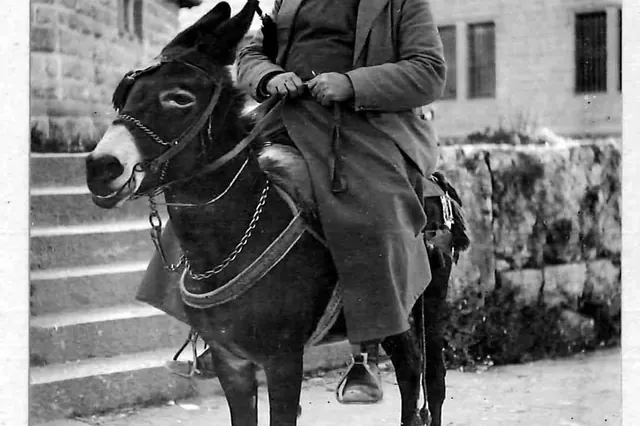
    A rider and his donkey on a Beirut street, around 1900

    Silk and snowحرير وثلج

    Mount Lebanon's silk, and snow for summer drinks, travel the mountain on animals.حرير جبل لبنان، وثلج الصيف للشراب، ينتقلان على ظهور الدوابّ.

  9. 1910١٩١٠
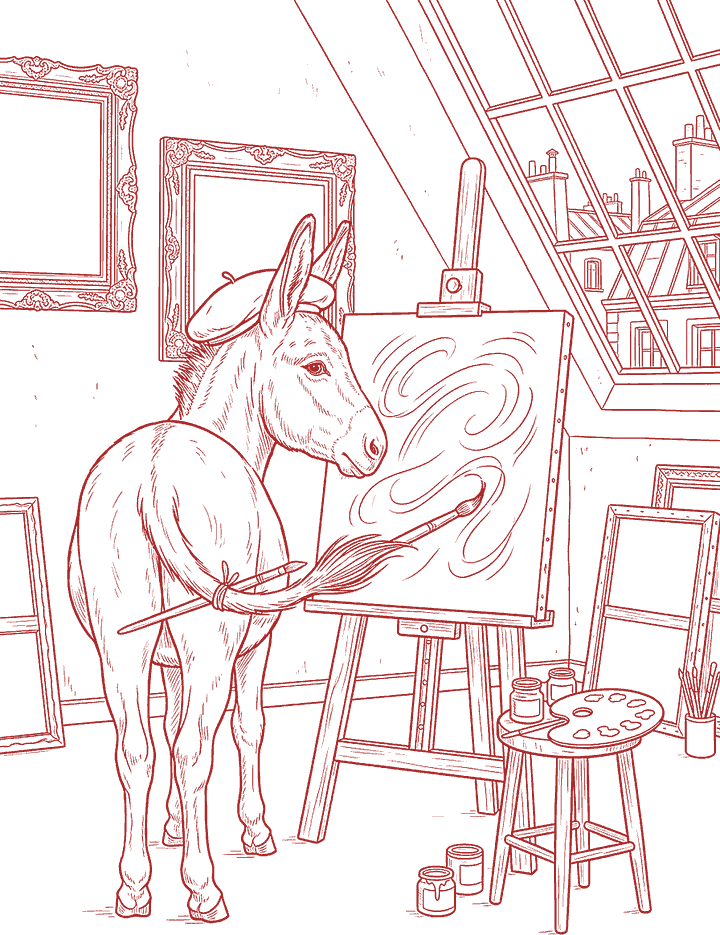
    Red line drawing: Lolo, painter of Paris

    Lolo exhibitsلولو يعرض

    A painting by a donkey's tail hangs at a Paris salon.لوحة رسمها ذيل حمار تُعلَّق في صالون باريسي.

  10. 1927١٩٢٧
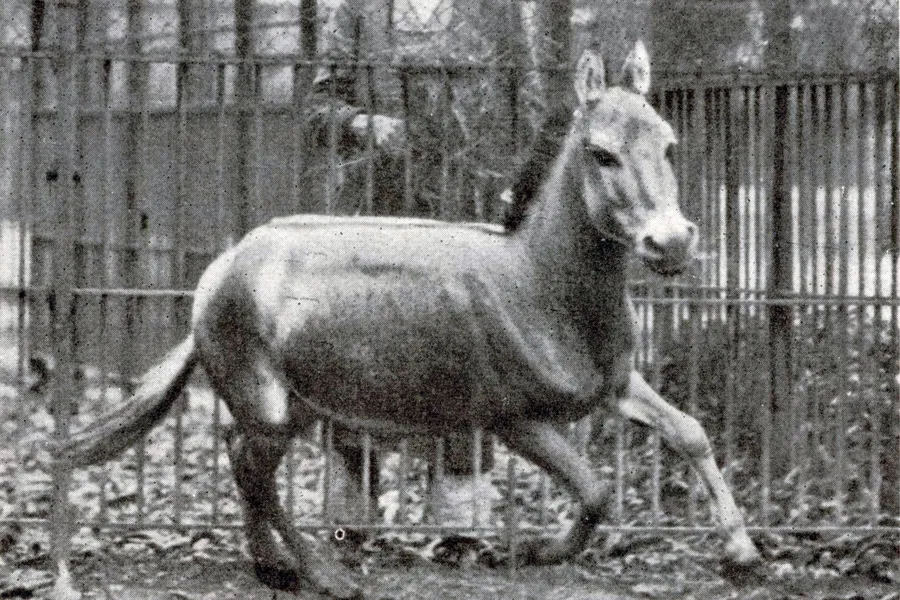
    A Syrian wild ass gallops in its enclosure at Schönbrunn, Vienna, 1915

    The last wild oneآخر برّي

    The last wild Syrian wild ass is shot at Al-Ghams, near Azraq.يُقتل آخر حمار برّي سوري طليق عند الغمص قرب الأزرق.

  11. c. 1928نحو ١٩٢٨
    Red line drawing: Syrian wild asses gallop free at dawn

    Extinctانقرض

    The last captive dies at Schönbrunn zoo, Vienna.يموت آخر واحد أسير في حديقة شونبرون في فيينا.

  12. 1950s–منذ الخمسينات
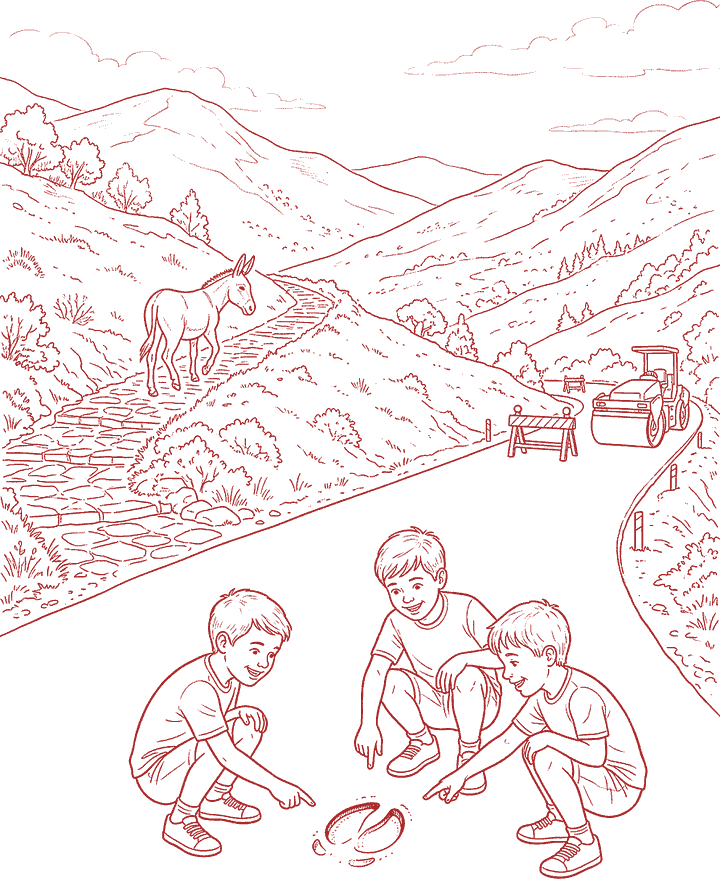
    Red line drawing: the last hoofprint

    The asphaltالإسفلت

    Roads, then cars and tractors, reach the mountain villages. The donkey starts to disappear.تصل الطرقات ثم السيارات والجرّارات إلى قرى الجبل، ويبدأ الحمار بالاختفاء.

  13. 1958١٩٥٨
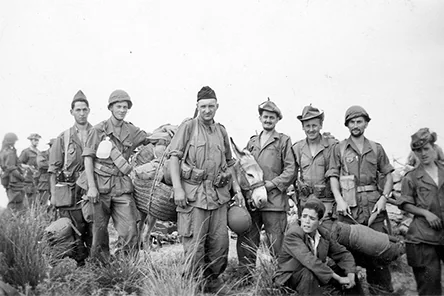
    US Marines with a locally bought donkey in the hills above Beirut, 1958

    The Marines' donkeysحمير المارينز

    US Marines landing in Beirut buy local donkeys to carry supplies into the foothills. Even the largest army on earth needs him here.مشاة البحرية الأميركية النازلون في بيروت يشترون حميراً محلّية لنقل المؤن إلى التلال. حتى أكبر جيش في العالم يحتاجه هنا.

  14. 2017٢٠١٧
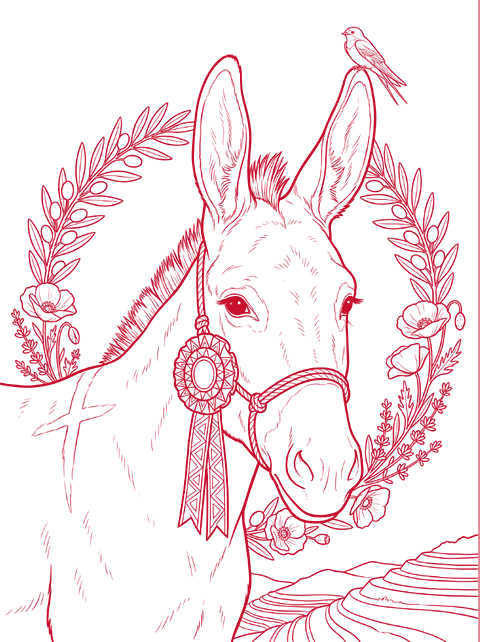
    Red line drawing: a donkey portrait framed by an olive wreath

    Law 47القانون ٤٧

    Lebanon passes an animal-welfare law, with an article on working equines.يُقرّ لبنان قانوناً لحماية الحيوان، فيه مادّة عن دوابّ العمل.

  15. 2026٢٠٢٦
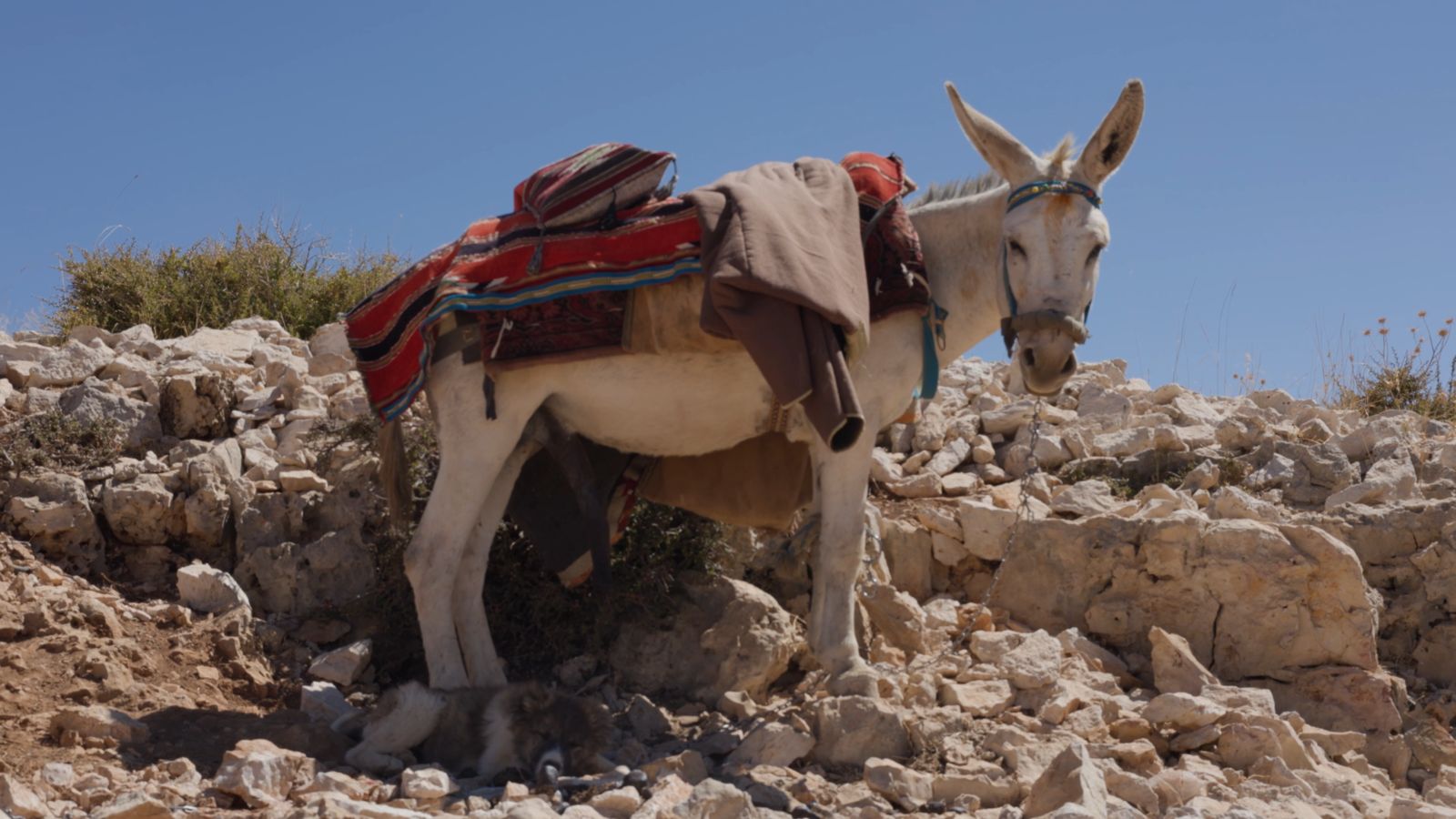
    A white donkey with a red woven saddle blanket on a rocky slope

    Ahmarأحمر

    The Donkeymentary premieres at REEF in Kobayat, Akkar.العرض الأوّل لـ«أحمر فيلم» في «ريف»، القبيّات، عكّار.

Short storyقصّة قصيرة

The ghost cousinابن العمّ الشبح

Before the donkey, this land had its own wild ass: small, pale and fast, the Syrian wild ass, or hemippe. It ran across the deserts of Syria and the Levant for thousands of years. Assyrian kings hunted it; Bronze Age breeders crossed it with donkeys to make the kunga.

Then the rifle and the motor car arrived at the same time. The last wild one was shot at the Al-Ghams water-hole near Azraq in 1927, and the last captive died in Vienna around a year later. Perhaps nine photographs of a living hemippe exist, all taken in European zoos.

One thing to be careful about: Lebanon's donkeys do not descend from it. They are cousins, not heirs. But the ghost is a warning about how quickly a familiar animal can go.

Read his whole story: eleven thousand years, in order →

قبل الحمار الأليف كان لهذه الأرض حمارها البرّي: صغير وفاتح اللون وسريع، الحمار البرّي السوري. ركض في بوادي سوريا والمشرق آلاف السنين. اصطاده ملوك آشور، وهجّنه مربّو العصر البرونزي مع الحمير ليصنعوا «الكونغا».

ثم وصلت البندقية والسيارة معاً. قُتل آخر واحد طليق عند غدير الغمص قرب الأزرق عام ١٩٢٧، ومات آخر واحد أسير في فيينا بعد سنة تقريباً. ربّما لا توجد سوى تسع صور لحمار برّي سوري حيّ، كلّها في حدائق حيوان أوروبية.

وللأمانة: حمير لبنان لا تنحدر منه. هي أبناء عمومته لا ورثته. لكنّ الشبح تحذيرٌ من سرعة اختفاء حيوانٍ مألوف.

اقرأ قصّته كاملة: أحد عشر ألف سنة بالترتيب ←

Syrian wild ass, London Zoo, early 20th centuryحمار برّي سوري، حديقة لندن، مطلع القرن العشرين
In captivity, Vienna. The last one died around 1928.أسيراً في فيينا. مات آخرها نحو ١٩٢٨.
03

Chapter 03الفصل ٠٣

The built mountainالجبل المبني

The terraces, the paths, the olive oil, the silk, the winter store. A whole country, one load at a time.الجلول والدروب والزيت والحرير والمونة. بلدٌ كامل، حِملاً بعد حِمل.

Storyحكاية

The road he drewالطريق الذي رسمه

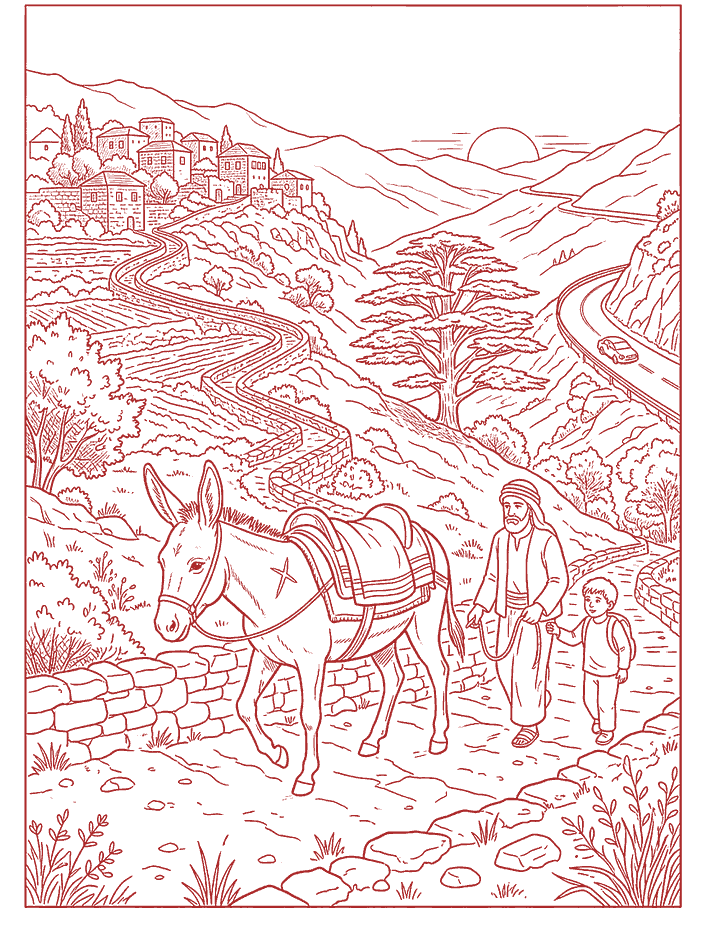
Walk any old path in Mount Lebanon and notice how it climbs: never straight, always the gentle zigzag. Villagers still call these ṭarīq ed-dābbeh, “the animal's road.” For centuries they were graded for a loaded animal, not a car.

Then the terraces. To build one you move stone; to farm it you carry soil, water, seed and harvest, up and down, every season. The mountain's staircase is a human monument, and it was built and kept with animals.

And every autumn, the mouneh: oil, bulgur, lentils, figs and firewood, carried up before the first snow closed the high villages. When the asphalt came, and with it cars and tractors, the roads often followed the line the donkey had already chosen.

امشِ على أيّ درب قديم في جبل لبنان ولاحظ كيف يصعد: لا يمشي مستقيماً أبداً، بل بتعرّج هادئ. ما زال أهل القرى يسمّونه «طريق الدابّة». لقرون، كانت هذه الدروب مرسومة على قدّ دابّة محمّلة، لا سيارة.

ثم الجلول. لتبني جلّاً تنقل الحجارة، ولتزرعه تنقل التراب والماء والبذار والمحصول، صعوداً ونزولاً، كلّ موسم. درج الجبل نصبٌ بناه الناس، وبنوه وحافظوا عليه مع الدوابّ.

وكلّ خريف، المونة: زيت وبرغل وعدس وتين وحطب، تطلع قبل أن يقفل أوّلُ الثلج القرى العالية. وحين جاء الإسفلت، ومعه السيارات والجرّارات، لحقت الطرقات غالباً الخطّ الذي اختاره الحمار.

A year on his backسنة على ظهره

  1. SpringالربيعHouseholds climb to the summer villages; hives follow the flowers.البيوت تطلع عالمصيف، والقفران تلحق الزهر.
  2. SummerالصيفWheat on the threshing floor; silk cocoons to the factory; snow down to the coast.القمح على البيدر، وشرانق الحرير إلى الكرخانة، والثلج نازل إلى الساحل.
  3. AutumnالخريفGrapes to the still, olives to the press, the mouneh up the mountain.العنب إلى الكركة، والزيتون إلى المعصرة، والمونة طالعة عالجبل.
  4. WinterالشتاءFirewood, water from the spring, bread before the sun.الحطب، والمي من العين، والخبز قبل الشمس.
04

Chapter 04الفصل ٠٤

Words & talesكلام وحكايات

The first insult every child learns, and the proverbs, jokes and fables that say the opposite.أوّل شتيمة يتعلّمها كلّ ولد، والأمثال والنكات والحكايات التي تقول العكس.

Why “Ahmar”لماذا «أحمر»

Red, and the donkeyالأحمر والحمار

In Arabic, ḥmār (donkey) and aḥmar (red) grow from the same three letters: ḥ-m-r. That is where this film's name comes from.

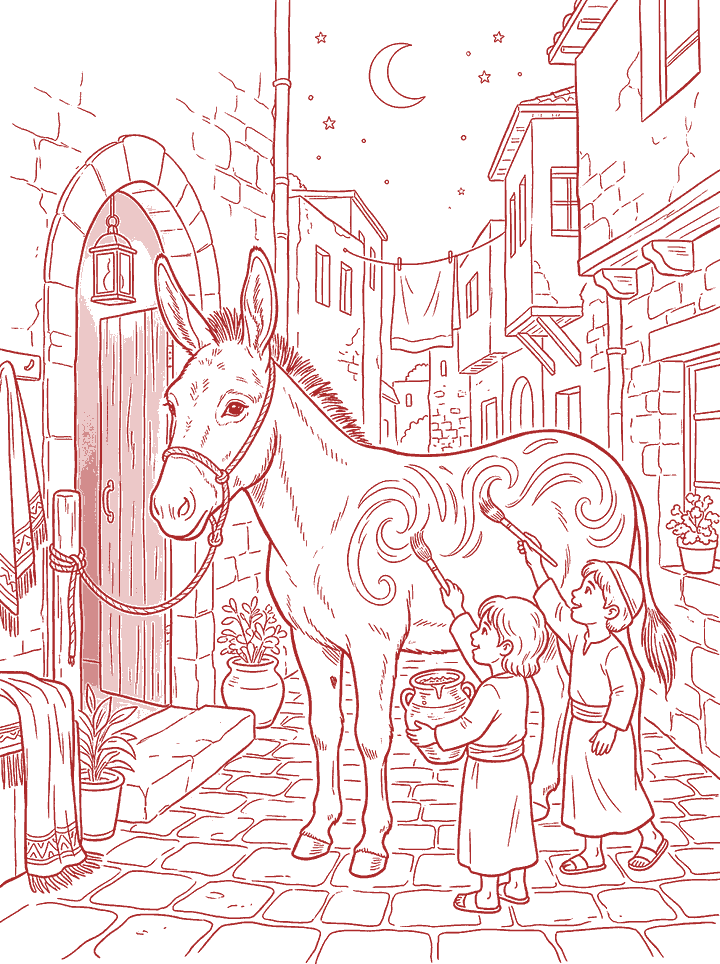
There is an old tale in the mountains about a muleteer, a mkāri, whose grey donkey was dyed red overnight by village kids. In the morning he walked straight past it. “My donkey is grey,” he said, and spent the day looking for it.

It's a joke about how we stop seeing what is right in front of us. The Donkeymentary is, in a way, the same joke, told slowly.

في العربية، «حمار» و«أحمر» من الأحرف الثلاثة نفسها: ح م ر. ومن هنا جاء اسم هذا الفيلم.

في الجبل حكاية قديمة عن مكاري صبغ أولادُ الضيعة حمارَه الرمادي بالأحمر في الليل. في الصباح مرّ بقربه ولم يعرفه. قال: «حماري رمادي»، وأمضى النهار يفتّش عنه.

إنها نكتة عن كيف نكفّ عن رؤية ما هو أمامنا. و«أحمر فيلم»، بطريقةٍ ما، هو النكتة نفسها، مرويّةً على مهل.

The Mukari's Red Donkeyحمار المكاري الأحمر

Proverbsأمثال

Said about himقيل فيه

صبر الحمار
Ṣabr el-ḥmār“The patience of the donkey.” Carrying the unbearable without complaint. Today, a portrait of the ordinary Lebanese citizen.تُقال عمّن يحمل ما لا يُحتمل بلا شكوى. واليوم صارت صورة المواطن اللبناني العادي.
التكرار بيعلّم الحمار
Et-tikrār bi‘allim el-ḥmār“Repetition teaches the donkey.” Half a jibe at slow learning, half a tribute to a memory that never forgets.نصفها غمزٌ من بطء التعلّم، ونصفها تحيّة لذاكرة لا تنسى.
اللي طلّع الحمار عالمادنة بينزّلو
Illi ṭalla‘ el-ḥmār ‘al-mādne binazzlo“Whoever took the donkey up the minaret brings it down.” Clean up your own mess.من ورّط نفسه فليخرج من الورطة بنفسه.
كمثل الحمار يحمل أسفاراً
Ka-mathal el-ḥimār yaḥmilu asfāran“Like a donkey carrying books.” Knowledge on your back, never opened.معرفةٌ على الظهر لا تُفتح.
بيشتغل متل الحمار
Byishtighil metl el-ḥmār“He works like a donkey.” The insult that is secretly a compliment.شتيمة هي في السرّ مديح.
كلّ الصيد في جوف الفرا
Kull aṣ-ṣayd fī jawf al-farā“All the game is in the belly of the wild ass.” A classical proverb: the one great thing that contains all the others.مثلٌ قديم: الشيء الكبير الذي يغني عن كلّ ما عداه.

A small dictionaryقاموس صغير

Twelve words to know him byاثنتا عشرة كلمة لتعرفه

حمارḥmār
donkey. Also, the first insult.الحيوان. وأوّل شتيمة.
جحشjaḥsh
a foal, a young donkeyصغير الحمار
أتانatān
a she-donkey (classical)أنثى الحمار (فصحى)
بغلbaghl
a mule: donkey father, horse motherابن الحمار والفرس
مكاريmkāri
the muleteer who hired out animals and led the loadsمن يُكري الدوابّ ويقود الأحمال
بردعةbarda‘a
the padded pack saddleالسرج المحشوّ للحِمل
خُرجkhurj
saddlebags, one each sideكيسان على الجانبين
رسنrasan
the halter ropeحبل الرأس
نهيقnahīq
the brayصوت الحمار
مونةmouneh
the winter store, carried up before the snowخزين الشتاء، يطلع قبل الثلج
طريق الدابّةṭarīq ed-dābbeh
“the animal's road”: the old zigzag footpathsالدروب المتعرّجة القديمة
الفراal-farā
the wild ass, in classical Arabicالحمار الوحشي في الفصحى

Satireسخرية

The mirrorالمرآة

The donkey is also Lebanon's favourite mirror. In a widely shared satire by the writer Salim Zarazir, a citizen greets a donkey as “my brother.” The donkey is not flattered. “Aren't we donkeys like you?” the man insists. “They ride us, we keep quiet, and every time we elect them again.”

In August 2024, a letter by Ahmad Zein, written in the voice of a displaced woman, described the family's donkey learning his name: his ears stand up when they call him, and his eyes shine. “By God,” she says, “this donkey understands more than So-and-so does.”

The joke keeps turning back on the people who tell it.

والحمار أيضاً مرآة لبنان المفضّلة. في نصٍّ ساخر للكاتب سليم زرازير، يلقي مواطنٌ التحيّة على حمار: «مرحبا، خيّي الحمار». فلا يعجب الحمارَ ذلك: «خيّك؟». فيصرّ الرجل: «إيه، ما نحنا حمير متلك… بيركبونا وساكتين، وكلّ مرّة مننتخبن من جديد».

وفي آب ٢٠٢٤ كتب أحمد زين رسالةً بصوت امرأة نازحة، تصف حمار العائلة وقد تعلّم اسمه: تنتصب أذناه حين ينادونه وتبرق عيناه. وتقول: «والله هذا العتبان يفهم أكثر من هذا الفلان».

والنكتة ترتدّ دائماً على من يرويها.

The Patience of the Donkeyصبر الحمار
05

Chapter 05الفصل ٠٥

Him & usهو ونحن

The farms, the names, the mornings. Collected from the people who still live with him.المزارع والأسماء والصباحات. جمعناها من الناس الذين ما زالوا يعيشون معه.

Beit Chabebبيت شباب

Zaatar was raised on a baby bottle, “like a little child,” and now follows his family off the rope. The next foal, they joked, would be called Zeit.رُبّي «زعتر» على الرضّاعة «متل الولد الزغير»، واليوم يلحق عائلته بلا رسن. والجحش الجاي، قالوا مازحين، سيكون اسمه «زيت».

Maaser el Choufمعاصر الشوف

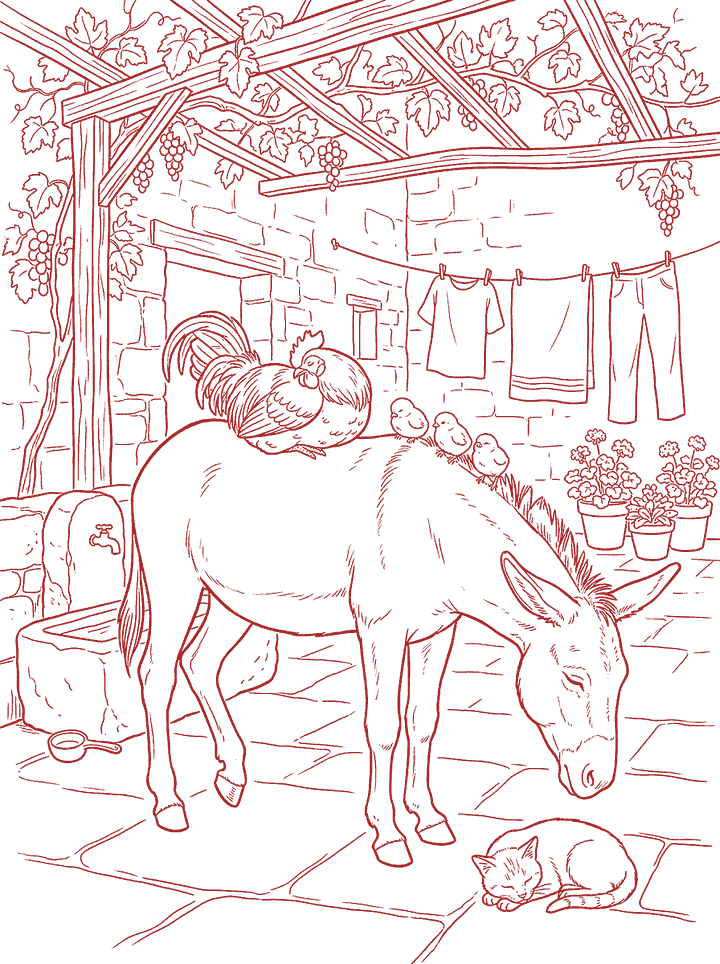
Every day a rooster flies onto Aziz's back and sleeps there for hours. Aziz doesn't mind.كلّ يوم يطير ديكٌ إلى ظهر «عزيز» وينام عليه ساعات. وعزيز لا يمانع.

Roum, Jezzineروم، جزّين

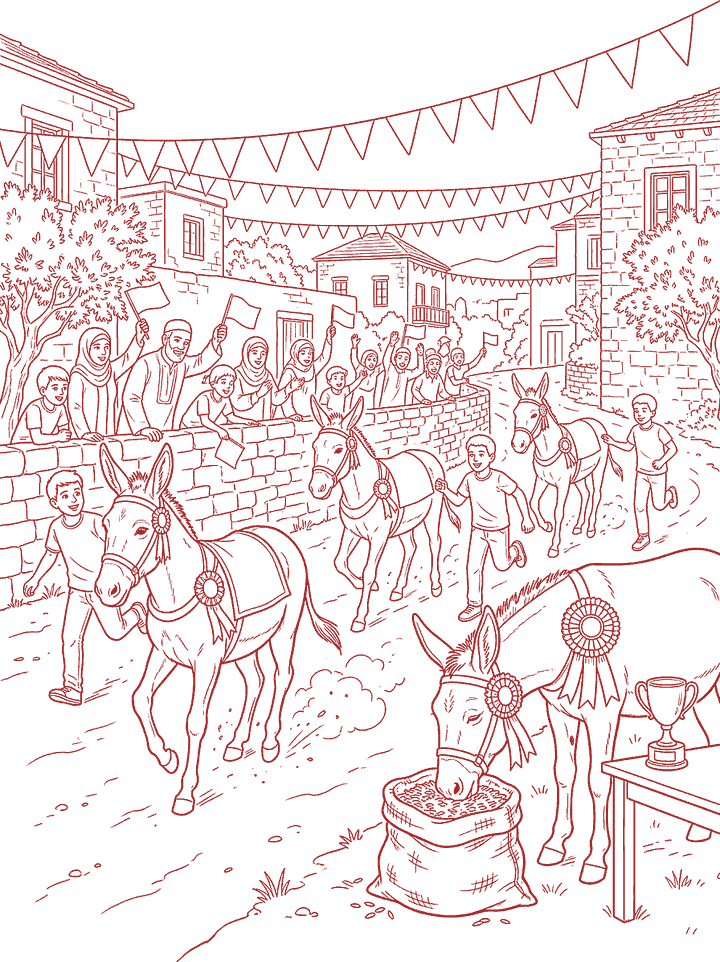
Summer donkey races with ribbons and ridiculous names. The last one home wins the barley.سباقات حمير صيفية بالأشرطة وبأسماء مضحكة. والذي يصل أخيراً يربح الشعير.

A family of sixteenعائلة من ستة عشر

Sixteen donkeys, each known by name and character. “There is no leader. Each one is a leader of himself.”ستة عشر حماراً، كلّ واحد معروف باسمه وطبعه. «ما في قائد، كلّ واحد قائد حالو».

06

Chapter 06الفصل ٠٦

Nowاليوم

How many are left, what the law says, and the question nobody has answered yet.كم بقي منها، وماذا يقول القانون، والسؤال الذي لم يُجب عنه أحد بعد.

Storyحكاية

What nobody has checkedما لم يتحقّق منه أحد

Are Lebanon's donkeys a distinct local line, carrying something of this coast's long history? No one knows. No one has yet genetically characterised the donkeys of Lebanon.

We don't even know how many there are. The best public figure, derived from FAO livestock data, is about 14,000 donkeys in 2023, and it should be held loosely. There is no count by region.

What exists is a law. Lebanon's Law 47 of 2017 protects animals from pain and suffering and includes an article on working horses, donkeys and mules. What's missing is everything around it: vets who know donkeys, farms that keep them, and people who look.

هل حمير لبنان سلالة محلية مميّزة، تحمل شيئاً من تاريخ هذا الساحل الطويل؟ لا أحد يعرف. لم يدرس أحدٌ بعدُ جينات حمير لبنان.

ولا نعرف حتى كم عددها. أفضل رقم متاح، مستخرج من بيانات منظّمة الفاو، هو نحو ١٤ ألف حمار عام ٢٠٢٣، ويجب أخذه بحذر. ولا يوجد إحصاء حسب المناطق.

الموجود هو قانون: القانون ٤٧ لعام ٢٠١٧ يحمي الحيوانات من الألم والمعاناة، وفيه مادّة عن خيول العمل والحمير والبغال. أمّا الناقص فهو كلّ ما حوله: بياطرة يعرفون الحمير، ومزارع تربّيها، وناس ينتبهون.

≈14k

donkeys in Lebanon, 2023 (FAO-derived, indicative)حمار في لبنان، ٢٠٢٣ (من بيانات الفاو، تقديري)

0

genetic studies of Lebanon's donkeys so farدراسة جينية لحمير لبنان حتى الآن

47

the 2017 law that protects working animalsرقم قانون ٢٠١٧ الذي يحمي حيوانات العمل

Care basicsأساسيات الرعاية

What a donkey actually needsما يحتاجه الحمار فعلاً

The list is short and non-negotiable.اللائحة قصيرة وغير قابلة للتفاوض.

  • Straw, not lush grassقشّ، لا عشب غنيّ

    Barley straw as the base diet, limited grazing, fresh water, a salt lick.قشّ الشعير أساس الغذاء، مع رعي محدود وماء نظيف وحجر ملح.

  • Hooves every 6–10 weeksالحوافر كلّ ٦–١٠ أسابيع

    A farrier's trim keeps him sound; teeth need a yearly check.تشذيب البيطار يحفظ سلامته، وأسنانه تحتاج فحصاً سنوياً.

  • A dry roof in every seasonسقف جافّ في كلّ فصل

    Shade in August, shelter from rain and snow in winter.ظلّ في آب، ومأوى من المطر والثلج في الشتاء.

  • Company, alwaysرفقة، دائماً

    Plan pairs, not singles.فكّر بثنائيات لا بأفراد.

  • Watch for quietراقب الصمت

    A dull donkey off his feed is an emergency, not a mood.حمار خامل عازف عن الأكل حالة طارئة لا مزاج عابر.

The Great Donkey Colouring Bookدفتر التلوين الكبير

The art wallجدار الرسوم

Red line drawings from the film's colouring book: true stories and old tales from Lebanon. Tap any drawing to open it.رسوم بالخطّ الأحمر من دفتر تلوين الفيلم: قصص حقيقية وحكايات قديمة من لبنان. اضغطوا على أيّ رسمة لفتحها.

Zaatar's Breakfastفطور زعترTrueحقيقة
The Engineer of Roadsمهندس الطرقاتTrueحقيقة
The Rooster's Bedسرير الديكTrueحقيقة
Snow Day!يوم الثلج!Trueحقيقة
The Great Roum Raceسباق روم الكبيرTrueحقيقة
Lolo, Painter of Parisلولو، رسّام باريسTrueحقيقة
The Mukari's Red Donkeyحمار المكاري الأحمرTaleحكاية
The Royal Rideمركبة الملوكTrueحقيقة
The Waterless Bathحمّام بلا ماءTrueحقيقة
Hello Across the Valleyمرحبا من الضفّة الثانيةTrueحقيقة
The Mountain's Staircaseدرج الجبلTrueحقيقة
The Night Navigatorدليل الليلTrueحقيقة
The Almost-Circleدائرة شبه كاملةTrueحقيقة
How Donkeys Say Helloكيف تسلّم الحميرTrueحقيقة
The Patience of the Donkeyصبر الحمارTrueحقيقة
The Donkey Carrying Booksالحمار يحمل أسفاراًTaleحكاية
The Missing Plankاللوح الناقصTrueحقيقة
Zaatar and Zeitزعتر وزيتTrueحقيقة
Olive Seasonموسم الزيتونTrueحقيقة
The Singer in the Fieldالمغنّي في الحقلTaleحكاية
Cedar Down the Mountainالأرز نازل من الجبلTrueحقيقة
Silk Seasonموسم الحريرTrueحقيقة
The Circle That Made Oilالدائرة التي تصنع الزيتTrueحقيقة
Bread Before the Sunخبز قبل الشمسTrueحقيقة
Best Dressed at the Weddingالأشيك في العرسTrueحقيقة
The Ones Drawn in Dotsالمرسومون بالنقاطTrueحقيقة
He Walked Into the Shotدخل الكادرTrueحقيقة
Water Dayيوم الميTrueحقيقة
The Only Ones Really Listeningالمستمعان الوحيدانTrueحقيقة
The Last Hoofprintآخر أثر حافرTrueحقيقة
You Can See the Warmترى الدفءTrueحقيقة
Opening Nightليلة العرضTrueحقيقة
Above the Holy Valleyفوق الوادي المقدّسTrueحقيقة
Among the Giantsبين العمالقةTrueحقيقة
The Supply Climbطلعة الديرTrueحقيقة
Through the Soukفي السوقTrueحقيقة

Archiveالأرشيف

Four thousand years of looking at himأربعة آلاف سنة من النظر إليه

A tomb wall, a palace relief, a Roman insult, a Sienese fresco, Bruegel, Rembrandt, Goya, Gillray, the naturalists who named the hemippe and the cartoonists who made him a party mascot. Twenty-seven works, all in the public domain.جدار مقبرة، ونقش قصر، وشتيمة رومانية، وجداريّة من سيينا، وبروغل ورامبرانت وغويا وغيلراي، وعلماء الطبيعة الذين سمّوا الهِميبّة، ورسّامو الكاريكاتير الذين جعلوه شعار حزب. سبعة وعشرون عملاً، كلّها في الملك العام.

Ancient EgyptEgyptian tomb painting: a donkey with its loadرسم في مقبرة مصرية: حمار وحِمله
Nineveh, 7th c. BCEAssyrian palace relief: wild asses hunted with dogsنقش من قصر آشوري: صيد الحمير البرّية بالكلاب
Rome, c. 200 CEThe Alexamenos graffito: a god with a donkey’s head, scratched into a Roman wallخربشة ألكسامينوس: إله برأس حمار محفور على جدار روماني
c. 1320Pietro Lorenzetti, Entry into Jerusalem, fresco at Assisiبييترو لورينزيتي، الدخول إلى أورشليم، جداريّة في أسّيزي
15th–16th c.Entry into Jerusalem, icon from the Annunciation Cathedral, Moscowالدخول إلى أورشليم، أيقونة من كاتدرائية البشارة في موسكو
c. 1499Piero di Cosimo, The Discovery of Honey: Silenus arrives on his donkeyبييرو دي كوزيمو، اكتشاف العسل: سيلينوس يصل على حماره
1566Pieter Bruegel the Elder, The Census at Bethlehem (detail)بيتر بروغل الأب، الإحصاء في بيت لحم (تفصيل)
c. 1600An animal-driven olive press, engravingمعصرة زيتون تديرها الدوابّ، حفر
c. 1604Annibale Carracci, Landscape with the Flight into Egyptأنيبالي كاراتشي، منظر طبيعي مع الهروب إلى مصر
1626Rembrandt, Balaam and the Assرامبرانت، بلعام والأتان
1657Nicolas Poussin, The Flight into Egyptنيكولا بوسان، الهروب إلى مصر
c. 1659Salvator Rosa, Allegory of Fortune: her gifts fall on the animalsسالفاتور روزا، رمزية الحظّ: عطاياها تنهمر على الحيوانات
1782James Gillray, The Westminster Just-Asses a-Brayingجيمس غيلراي، «حمير وستمنستر تنهق»
1799Goya, “¿De qué mal morirá?”, Los Caprichosغويا، «بأيّ داءٍ سيموت؟»، النزوات
1841The wild ass of the Holy Land, from a natural history of Palestineالحمار البرّي في الأرض المقدّسة، من كتاب في طبيعة فلسطين
1859View south of Beirut, engravingمنظر جنوب بيروت، حفر
1865Vyacheslav Schwarz, Palm Sunday in Moscow: the Tsar leads the Patriarch’s donkeyفياتشيسلاف شفارتس، أحد الشعانين في موسكو: القيصر يقود حمار البطريرك
1870Thomas Nast, A Live Jackass Kicking a Dead Lion: the birth of the Democratic donkeyتوماس ناست، «حمار حيّ يرفس أسداً ميتاً»: ولادة حمار الحزب الديمقراطي
1887Walter Crane, The Ass and the Sick Lion, from The Baby’s Own Aesopوالتر كرين، الحمار والأسد المريض، من «إيسوب للصغار»
1887Walter Crane, The Man That Pleased None: the miller, his son and the donkeyوالتر كرين، الرجل الذي لم يُرضِ أحداً: الطحّان وابنه والحمار
19th c.The hemippe, hand-coloured natural-history plateالهِميبّة، لوحة تاريخ طبيعي ملوّنة يدوياً
1890The Syrian hemippus, engraving from Popular Science Monthlyالحمار البرّي السوري، حفر من مجلّة «بوبيولار ساينس»
c. 1900A rider and his donkey on a Beirut streetراكب وحماره في شارع في بيروت
c. 1906Frederick Opper, And Her Name Was Maud: the kicking donkey of the Sunday comicsفريدريك أوبر، «واسمها مود»: حمارة الرفس في كوميكس الأحد
1914August Macke, a man on a donkey, from the Tunisian journeyأوغست ماكه، رجل على حمار، من رحلة تونس
1915“I didn’t raise my boy to be a soldier”: a wartime postcard«ما ربّيت ابني ليصير جندياً»: بطاقة بريدية من زمن الحرب
1915A Syrian wild ass gallops in its enclosure at Schönbrunn, Viennaحمار برّي سوري يركض في حظيرته في شونبرون، فيينا

Beat the donkeyاغلبوا الحمار

True or tale?حقيقة أم حكاية؟

Ten questions. Everything you need is somewhere above.عشرة أسئلة. كلّ الأجوبة في مكانٍ ما في الأعلى.

Question 1 of 10السؤال ١ من ١٠

A donkey can see almost all the way around himself.يرى الحمار دائرة شبه كاملة حوله.

He stops. He looks. And then he walks on.بيوقف. بيتطلّع. وبيرجع بيمشي.