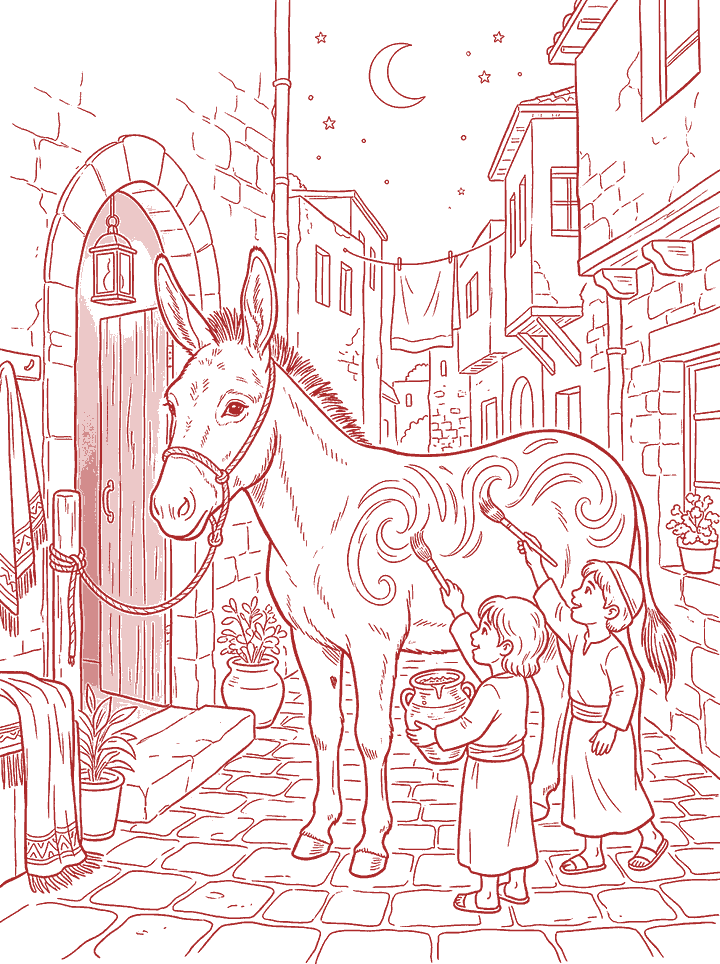

Donkeys of Lebanon · The one who leftحمير لبنان · الذي رحل
الأخدر
The wild oneالحمار الوحشي السوري
Equus hemionus hemippus
The donkey's cousin who never let anyone ride him. Gone since 1927.ابن عمّ الحمار، الذي لم يسمح لأحد بأن يركبه. انقرض سنة ١٩٢٧.
Every donkey in this project has a name, a village, a job. This one had none of those.
He lived east of our mountains, on the steppe and in the desert, from Syria down to Jordan and across to Iraq. He was small, about a metre at the shoulder, the smallest horse-like animal that ever lived. His coat changed with the year. And nobody ever tamed him.
Locals called him al-akhdari. Scientists called him Equus hemionus hemippus. We just call him the one that got away, until he didn't.
لكلّ حمار في هذا المشروع اسم، وضيعة، وشغلة. هذا لم يكن له شيء من ذلك.
عاش شرقيّ جبالنا، في البادية والصحراء، من سوريا نزولاً إلى الأردن وصولاً إلى العراق. كان صغيراً، نحو متر عند الكتف، أصغر الخيليّات التي عاشت على الإطلاق. كان لونه يتبدّل مع السنة. ولم يروّضه أحد.
سمّاه أهل البادية «الأخدري». وسمّاه العلماء Equus hemionus hemippus. أمّا نحن فنسمّيه: الذي أفلت… إلى أن لم يفلت.
Timelineخطّ الزمن
Eleven thousand years, in orderأحد عشر ألف سنة، بالترتيب
11,000 years agoقبل ١١,٠٠٠ سنة
Göbekli Tepeغوبكلي تبه
His bones turn up at Göbekli Tepe, among the oldest temples humans ever built. He was already there, watching.
عُثر على عظامه في غوبكلي تبه، من أقدم المعابد التي بناها البشر. كان هناك قبلهم، يتفرّج.
c. 2500 BCEنحو ٢٥٠٠ ق.م.
Umm el-Marra, near Aleppoأم المرّة، قرب حلب
The kunga. People couldn't tame him, so they bred him. They crossed a donkey mother with a wild ass father and called the result a kunga. Kungas pulled war wagons and were given as royal dowries. It is the oldest known animal hybrid made by humans, confirmed by DNA from their skeletons in 2022.
A donkey is careful and won't run at danger. A wild ass is fast and fearless, and almost impossible to tame. The kunga was both. It is the only time his blood and our donkeys' blood ran together, and it took human hands to do it.
الكُنغا. لم يستطع الناس ترويضه، فهجّنوه. زاوجوا أنثى حمار أليف بذكر من الحمار الوحشي، وسمّوا المولود «كُنغا». جرّت الكُنغا عربات الحرب، وقُدّمت مهراً للملوك. إنّه أقدم حيوان هجين معروف صنعه الإنسان، وقد أكّد ذلك تحليل الحمض النووي لهياكلها سنة ٢٠٢٢.
الحمار حذر، لا يركض نحو الخطر. والحمار الوحشي سريع لا يخاف، ويكاد يستحيل ترويضه. الكُنغا كانت الاثنين معاً. إنّها المرّة الوحيدة التي اختلط فيها دمه بدم حميرنا، ولم يحدث ذلك إلّا بيد الإنسان.
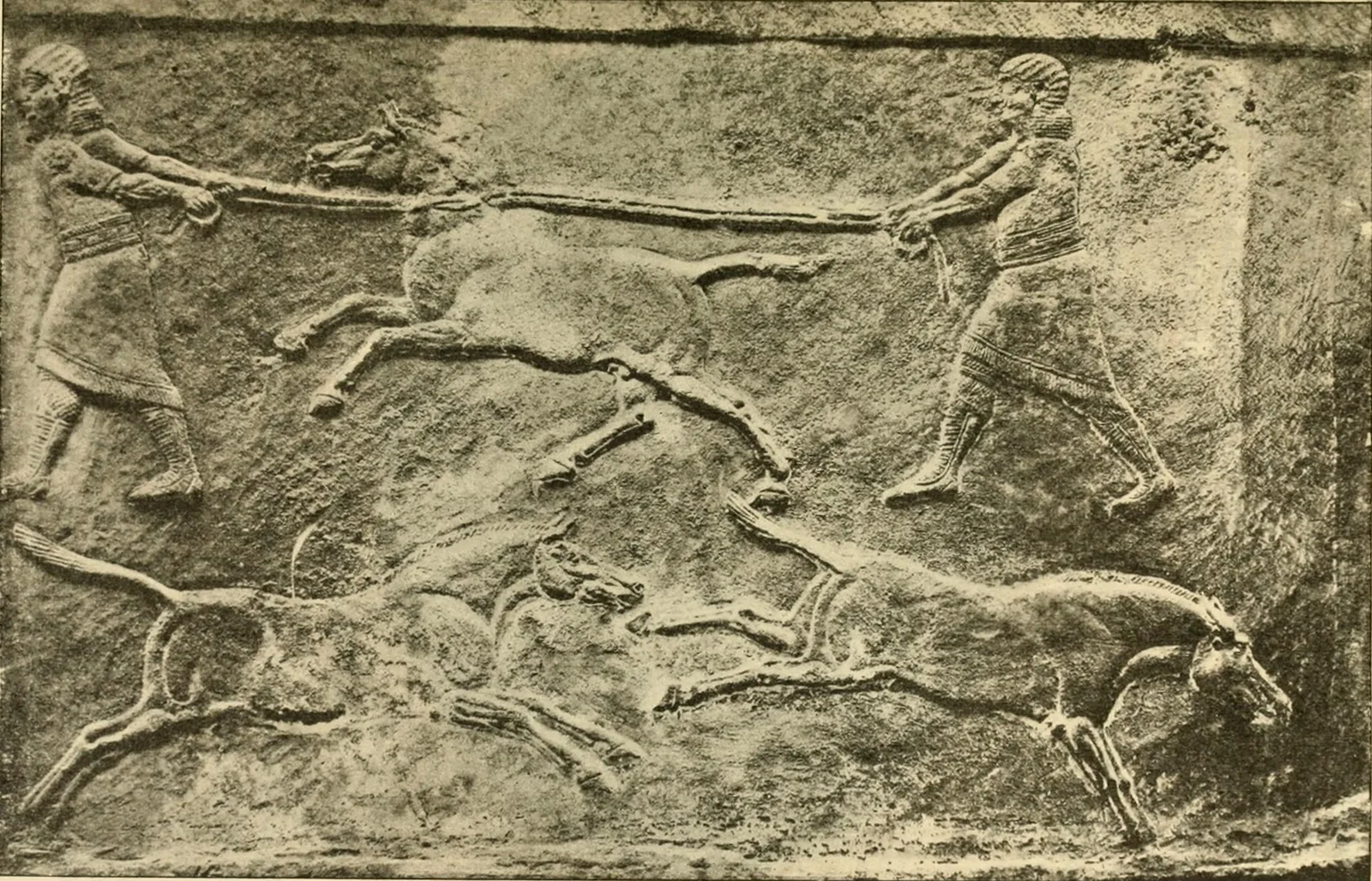
Assyrian palace relief, Nineveh, 7th century BCE: hunters roping wild asses.نقش من قصر آشوري في نينوى، القرن السابع ق.م.: صيّادون يلتقطون الحمير الوحشية بالحبال. c. 370 BCEنحو ٣٧٠ ق.م.
The Euphratesالفرات
The Greek soldier and writer Xenophon wrote about Syrian wild asses in his Anabasis. His men chased them on horseback along the river and couldn't catch them.
كتب الجنديّ والمؤرّخ اليوناني كسينوفون عن الحمير الوحشية السورية في كتابه «أناباسيس». طاردها رجاله على الخيل على طول النهر، ولم يلحقوا بها.
1400s–1500sالقرنان ١٥ و١٦
European travellers crossing the region report large herds.
رحّالة أوروبيون يعبرون المنطقة ويصفون قطعاناً كبيرة.
1700s–1800sالقرنان ١٨ و١٩
Hunting with guns. The herds collapse.
الصيد بالبنادق. تنهار القطعان.
1855١٨٥٥
Parisباريس
Named by the French zoologist Isidore Geoffroy Saint-Hilaire. A name, finally, just as the herds were thinning.
سمّاه عالم الحيوان الفرنسي إيزيدور جوفروا سانت-هيلير. أخيراً صار له اسم، في الوقت الذي بدأت فيه القطعان تختفي.
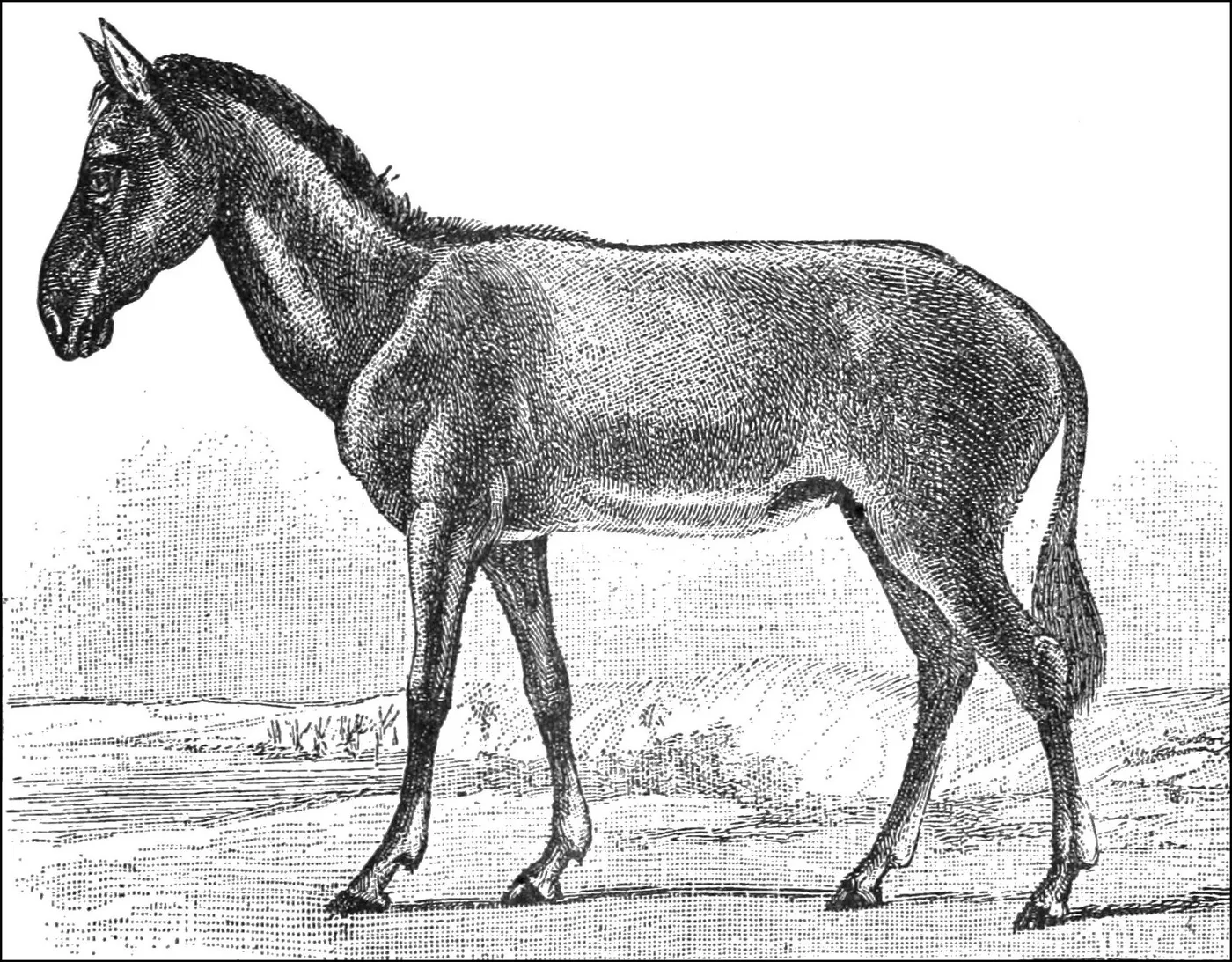
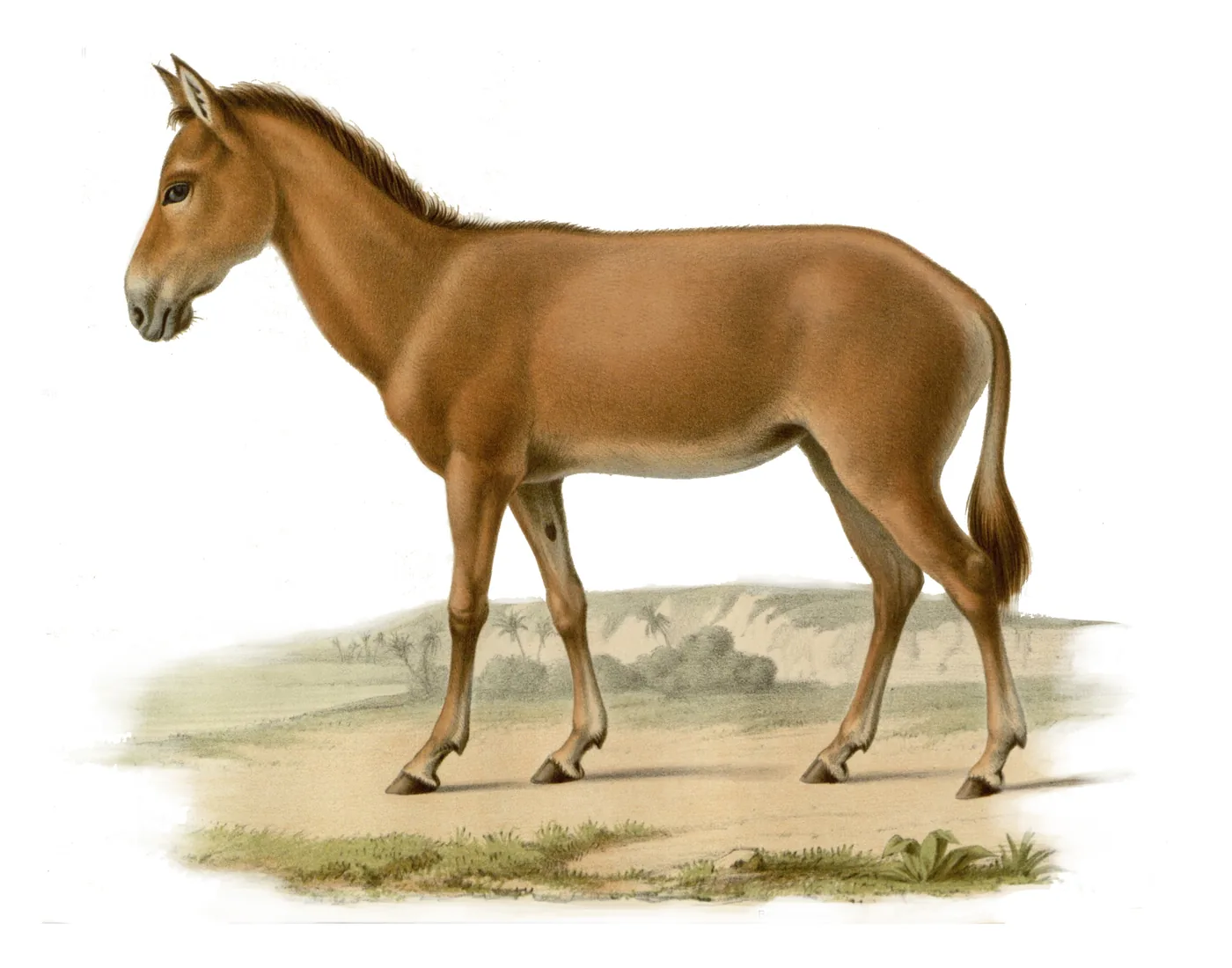
A nineteenth-century engraving of hemippus, from the scientific press of the time.نقش من القرن التاسع عشر للأخدر، من المجلّات العلمية في ذلك الوقت. 1872١٨٧٢
London Zooحديقة حيوانات لندن
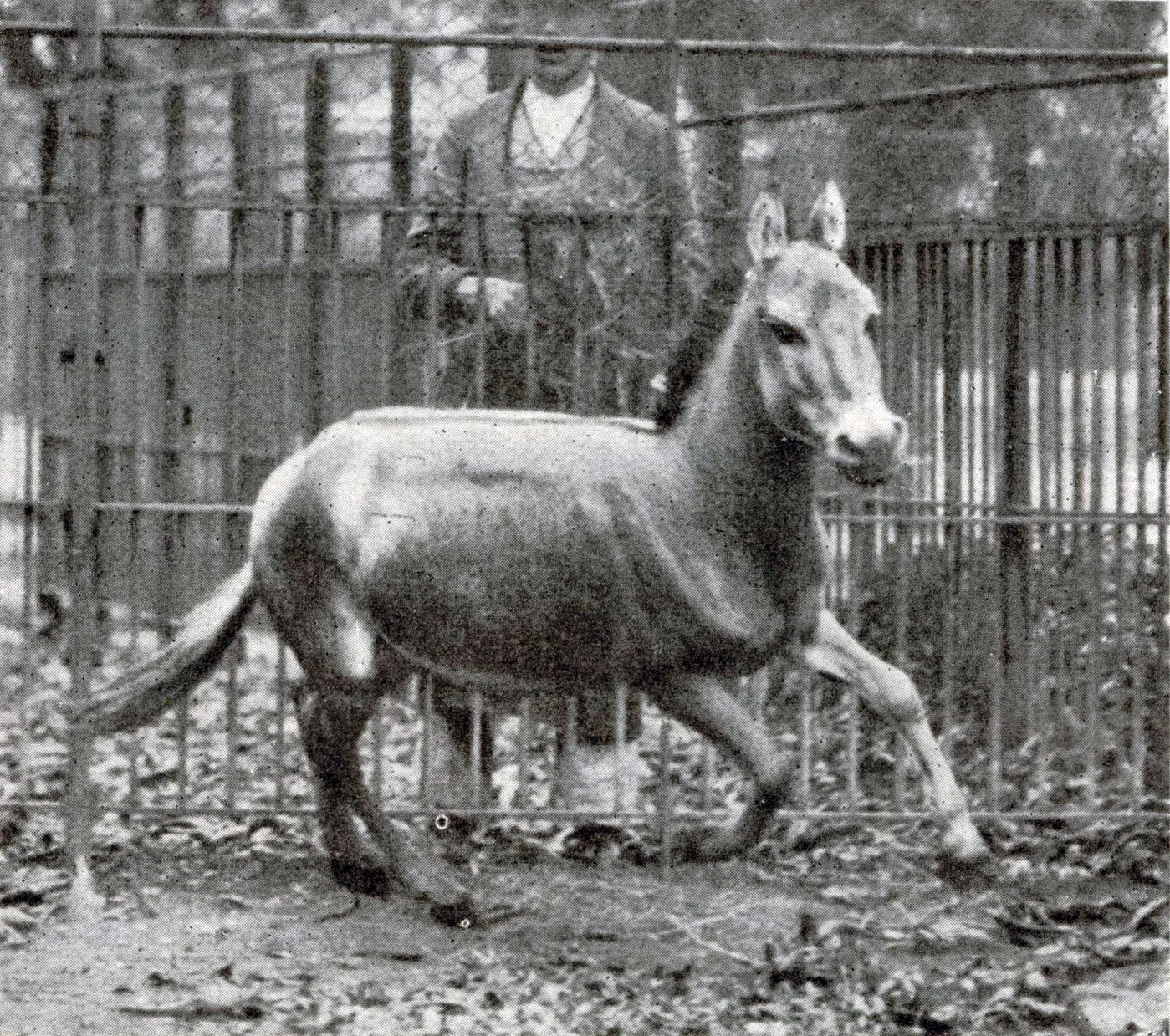
Photographed for the first time, in London. Only about nine photographs of him are known, all taken in European zoos. To see him alive, you had to leave his country.
صُوِّر للمرّة الأولى، في لندن. لا يُعرف له إلّا نحو تسع صور، كلّها في حدائق حيوانات أوروبية. لكي تراه حيّاً، كان عليك أن تبتعد عن بلاده.
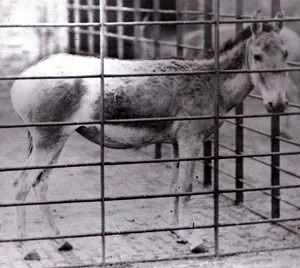
London Zooحديقة لندن A European zooحديقة أوروبية 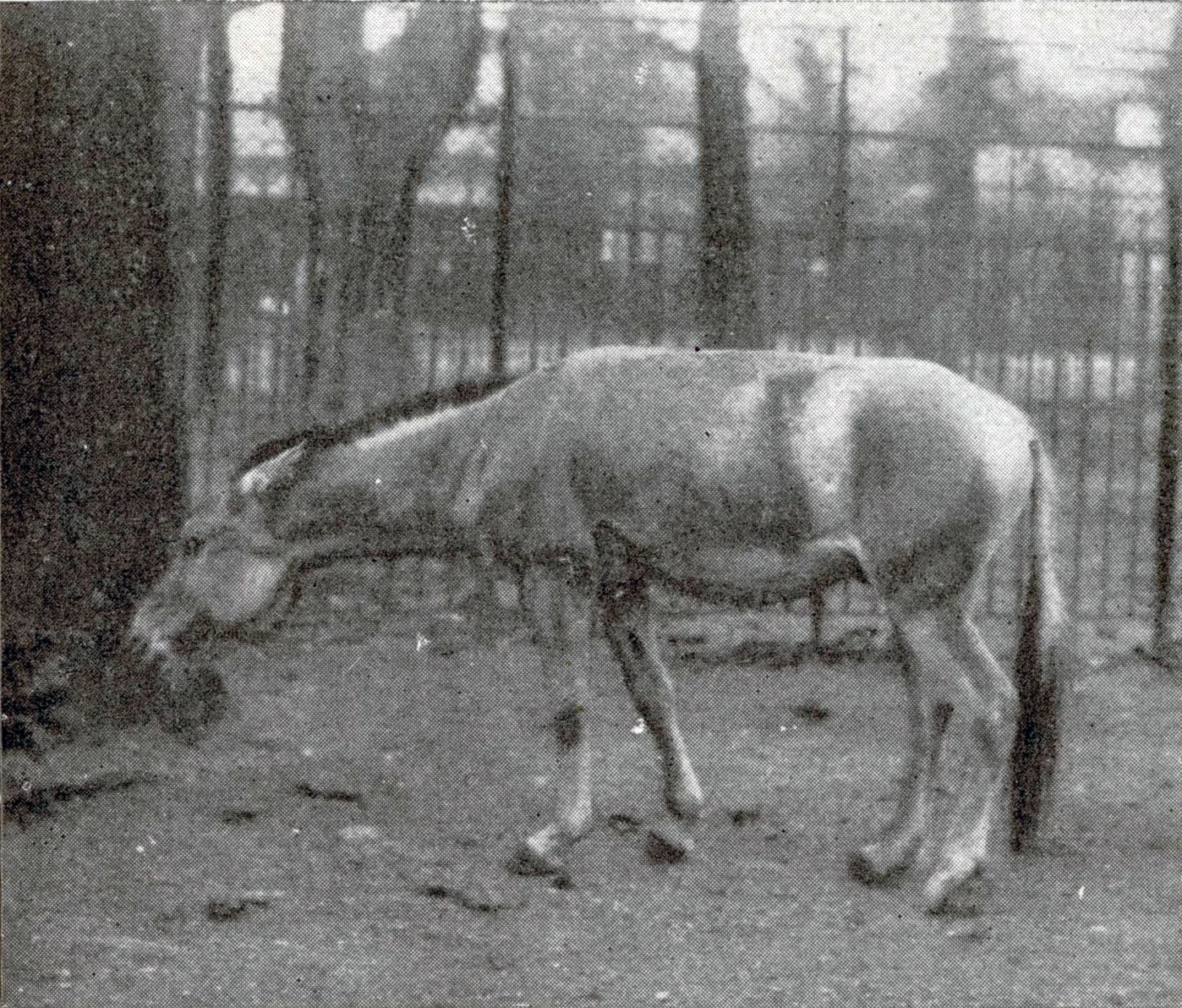
Viennaفيينا 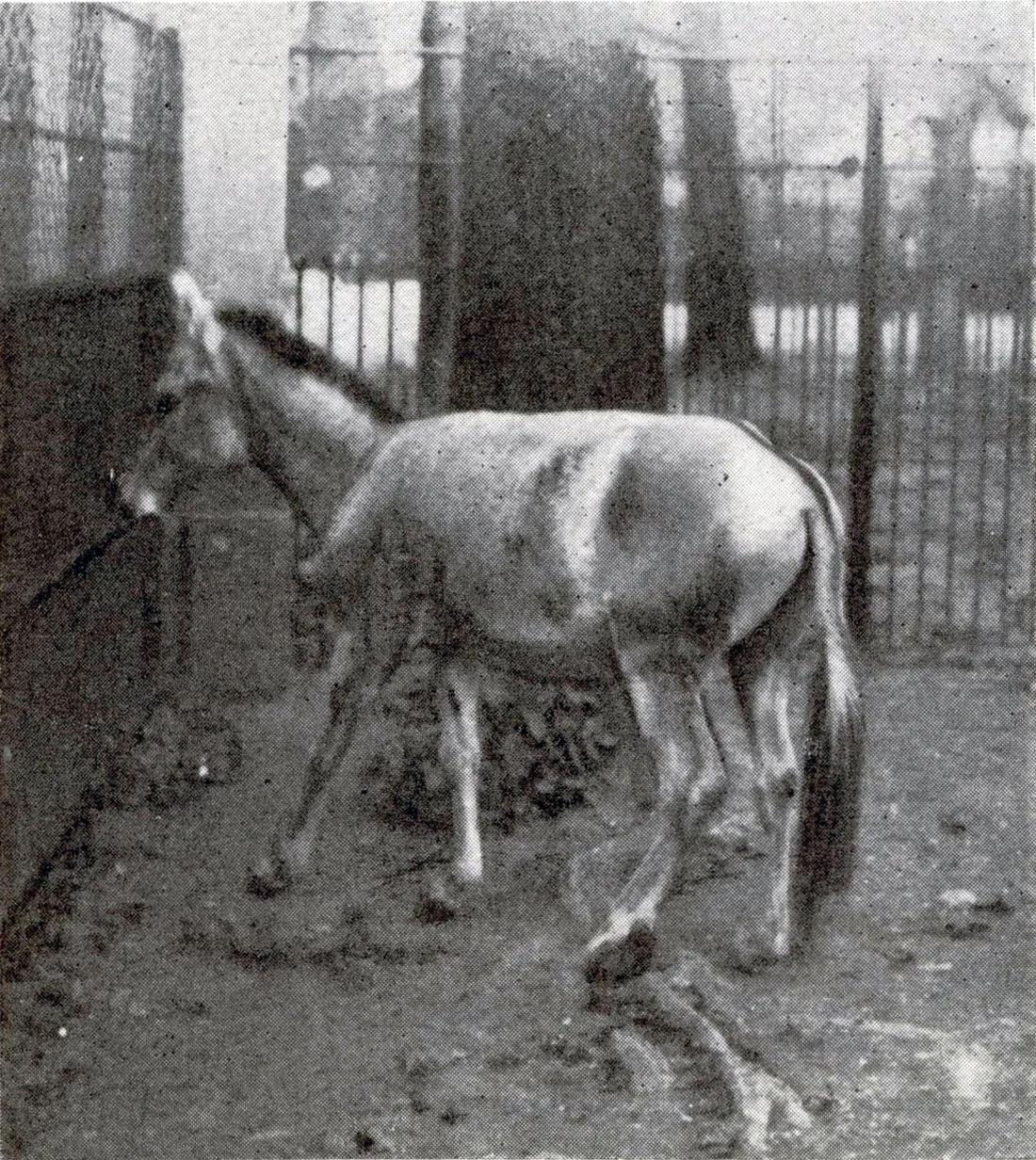
Viennaفيينا Four of the nine frames. Every one of them behind a fence.أربع من الصور التسع. كلّها خلف سياج.
1914–1918١٩١٤–١٩١٨
The First World War tears through the region. What was left of him gets pushed further.
الحرب العالمية الأولى تجتاح المنطقة. ويُدفَع ما تبقّى منه إلى حافّة أبعد.
1927١٩٢٧
Al-Ghams, near Azraq · Viennaالغمص، قرب الأزرق · فيينا
The last wild one is shot at Al-Ghams, near the Azraq oasis in Jordan. The last one in captivity dies the same year at Schönbrunn Zoo in Vienna.
يُقتَل آخر واحد في البرّية بالرصاص عند الغمص، قرب واحة الأزرق في الأردن. ويموت آخر واحد في الأسر في السنة نفسها، في حديقة حيوانات شونبرون في فيينا.
1928?١٩٢٨؟
The end didn't even get one clean date. An Austrian zoologist wrote that one was still alive in Vienna in 1928. Either the date is wrong, or there were two of them, dying a year apart, far from home.
حتّى النهاية لم تحصل على تاريخ واضح. كتب عالم حيوان نمساوي أنّ واحداً كان لا يزال حيّاً في فيينا سنة ١٩٢٨. إمّا أنّ التاريخ خطأ، أو أنّهما كانا اثنين، ماتا بفارق سنة، بعيداً عن الديار.
Why he belongs hereلماذا مكانه هنا
Our donkeys don't come from him. They descend from the African wild ass. He was the cousin next door: same ears, same stubbornness, a different choice.
The donkey stayed with us and carried everything. The akhdari refused, and there's nothing left of him but bones, nine photographs, and a Greek soldier who couldn't catch him.
AHMAR is about the ones who stayed. This page is for the one who didn't.
حميرنا لا تتحدّر منه. أصلها الحمار الوحشي الإفريقي. هو كان ابن العمّ في الجوار: الأذنان نفسهما، والعناد نفسه، لكنّ الخيار مختلف.
الحمار بقي معنا وحمل كلّ شيء. الأخدري رفض، ولم يبقَ منه إلّا عظام، وتسع صور، وجنديّ يوناني لم يستطع أن يلحق به.
«أحمر» عن الذين بقوا. وهذه الصفحة للّذي لم يبقَ.
Sourcesالمصادر
- Syrian wild ass · Wikipedia ↗
- Equus hemionus hemippus · Recently Extinct Species ↗
- Wild ungulates in Jordan · Journal of Threatened Taxa ↗
- Kunga Power · Archaeology Magazine, 2022 ↗
- Earliest hybrid animal identified · CNN, 2022 ↗
Archival photographs and illustrations: public-domain images via Wikimedia Commons.الصور والرسوم الأرشيفية: صور في الملك العام عبر ويكيميديا كومنز.